
News
Department News

Jain adds another tool to the CRISPR toolbox
Piyush Jain and his collaborators have revealed the atomic structure of a DNA-guided CRISPR system, offering new insights into RNA editing. The discovery could help researchers develop more precise treatments for genetic diseases and improve viral diagnostics.

From Gainesville to Xalapa, Mexico: Engineering Connections Through Hands-On Learning
In an international partnership designed to spark interest in STEM careers, University of Florida chemical engineering Assistant Professor Fernando Merida, Ph.D., recently brought hands-on engineering lessons into a classroom in Mexico.

ChE graduate Sydney Antal looks back as she moves forward
Chemical Engineering graduate Sydney Antal is taking her research in CRISPR-based diagnostics to NYU, where she is pursuing a Ph.D. in biomedical engineering.

New professor, certified beer judge Dylan Turpeinen brings industry experience to ChE
With six years of industry experience in biotech and biomedical device development, Dylan Turpeinen brings expertise in bioprocessing, regenerative medicine, and product development to help prepare students for careers across the chemical engineering industry.

With an eye on color, ChE’s Peng Jiang seeks easier ways to detect harmful chemicals
New sensor technology reveals hazardous chemicals with a simple color change.
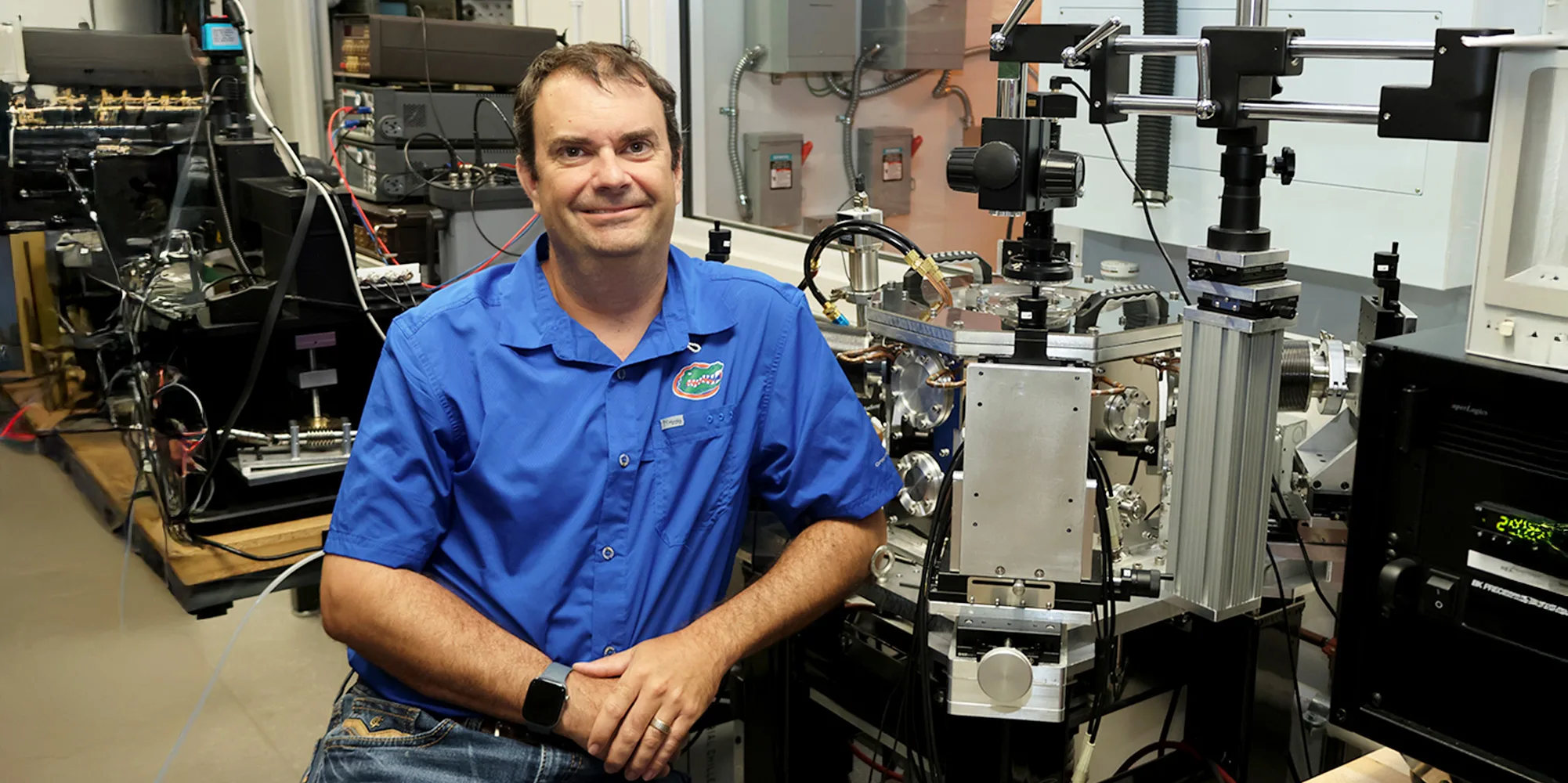
From stone crabs to semiconductors: ChE Professor Travis Anderson reflects on a rewarding life in science
From a sixth-grade science fair to pioneering semiconductor research, Professor Travis Anderson shares the experiences that shaped his career and passion for engineering.